Best Ad Platform for Health Offers: A Policy-First Guide
The best platform for a health offer is the one that is legally eligible, permitted by the platform and suited to how customers discover or search for the product. Use this seven-test framework to compare search, social and native advertising without treating approval or performance as guaranteed.

August 16, 2026
Table of contents
There is no universal best ad platform for health offers. For an eligible offer with clear search demand, Google Ads or Microsoft Advertising may provide the strongest intent signal. Meta and TikTok can suit policy-compliant products that need social discovery and demonstrable creative. Taboola and Outbrain may fit educational, contextual journeys. The correct choice must pass three separate gates: the offer must be legal in the target market, eligible under the platform's current policy and commercially suited to that platform's traffic. Passing one gate does not guarantee the others, and no account source can promise approval or uninterrupted delivery.
Begin With Three Separate Eligibility Gates
Health is not one advertising category. A general wellness product, licensed telehealth service, medical device, supplement and prescription treatment can face very different rules. Before comparing cost per click or conversion rate, document the offer against these three gates:
Legal eligibility: confirm that the product, claims, sales model, professional licensing, age controls and geographic availability comply with the laws and regulatory requirements of every target market.
Platform policy eligibility: check whether the specific product and advertiser type are permitted in that location, and whether certification, licensing, pre-authorization or restricted targeting applies. Google's healthcare and medicines policy and its restricted-products application requirements illustrate how eligibility can depend on both category and country.
Performance fit: only after the first two gates should you compare intent, audience reach, creative requirements, conversion path, margins and measurement quality. A permitted platform can still be economically unsuitable.
Match the Platform to How Demand Is Created
PPC selection becomes clearer when search intent, social discovery and native or contextual demand are treated as different buying environments rather than interchangeable traffic sources.
Search intent: Google Ads and Microsoft Advertising can reach people actively researching a symptom, service or product category. This can shorten the path to conversion, but sensitive queries, healthcare restrictions and expensive auctions may narrow the viable keyword set.
Social discovery: Meta, TikTok and Snapchat introduce an eligible offer to users who may not be searching for it. Success depends heavily on creative, targeting permission and the ability to communicate value without personal-attribute implications, fear tactics or unsupported health claims.
Native and contextual demand: Taboola, Outbrain and similar placements can connect educational content with relevant reading environments. They usually require a coherent article-to-offer journey, transparent presentation and enough margin to test placements and publishers.
Compare Major Platforms Conditionally
Use platform names as a shortlist, not as a ranking. Each option should remain conditional on the exact product, jurisdiction, advertiser credentials and funnel.
Google Ads is a logical first test when compliant search demand exists. Healthcare eligibility may depend on location and certification, so verify the relevant policy route before building forecasts.
Microsoft Advertising can provide an additional search-intent test. Evaluate its eligible query volume and conversion quality separately rather than assuming Google results will transfer.
Meta can fit visually demonstrable wellness and health-related offers that are permitted for the target market. Creative and landing pages must avoid prohibited personal-attribute language, sensational outcomes and claims the advertiser cannot substantiate.
TikTok can suit discovery-led offers with credible short-form creative. Its healthcare and pharmaceuticals policy, updated in June 2026, describes market-specific restrictions, adult-targeting conditions and substantiation requirements.
Taboola and Outbrain may suit educational funnels, comparisons and content-led acquisition. Their native format does not relax product, claim, disclosure or destination requirements.
Apply the Seven-Test PPC Decision Framework
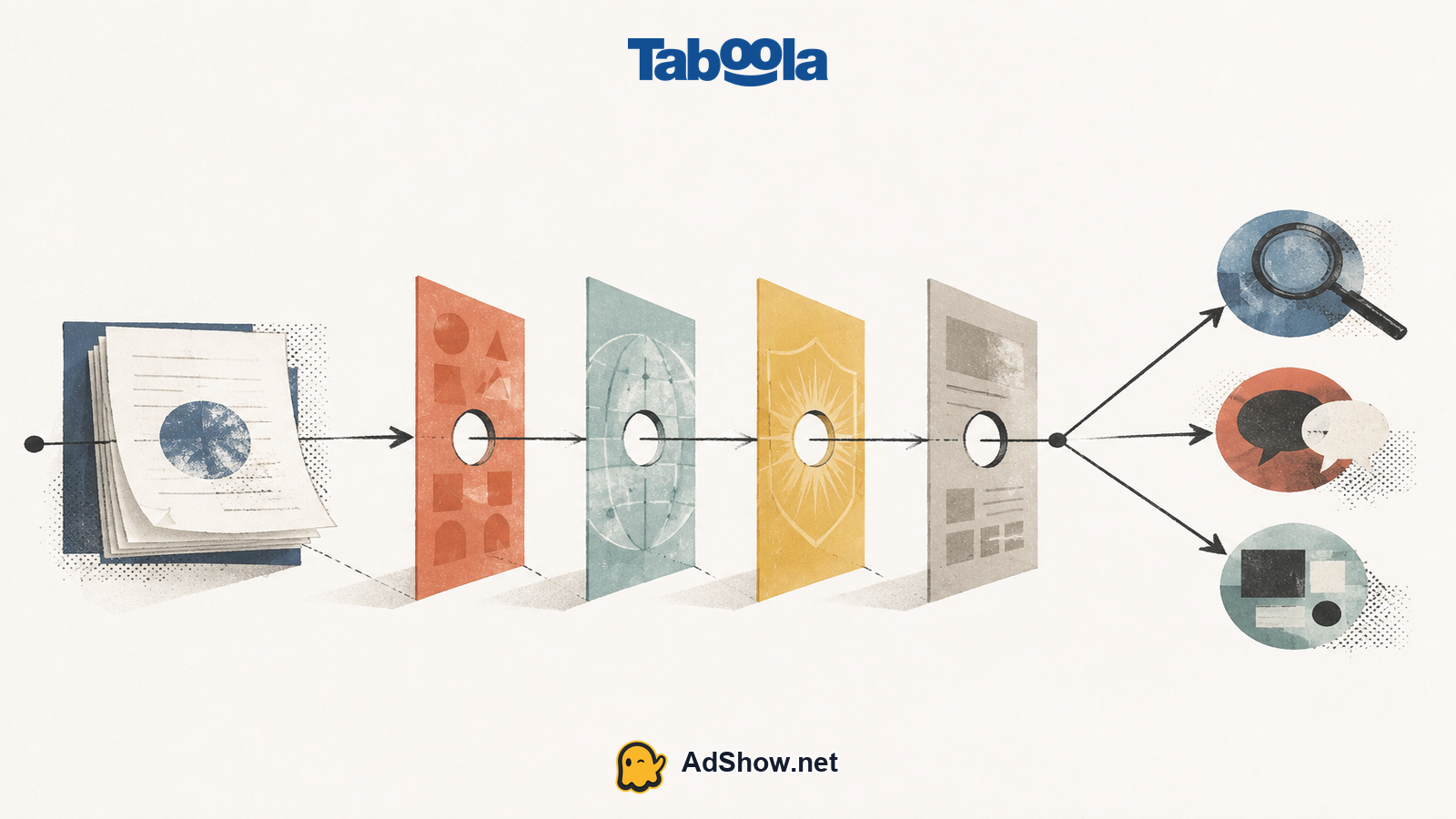
Score each candidate platform independently. A weak result on legal or policy eligibility is a stop signal; it should not be averaged against attractive traffic or pricing.
Define the product precisely. Record ingredients or service scope, claims, fulfillment model, required licenses, target countries and minimum customer age.
Verify legal eligibility. Obtain appropriate legal or regulatory guidance for each market, especially where products, practitioners, prescriptions or health data are regulated.
Map current platform policy. Check category restrictions, prohibited products, certification paths, targeting limits and destination requirements using official policy sources.
Identify the demand mode. Choose search for existing intent, social for discovery and creative iteration, or native and contextual traffic for an educational journey.
Model unit economics. Include media spend, content and creative production, platform fees, refunds, sales approval rates and a realistic allowance for inconclusive tests.
Audit the conversion path. Ensure the ad, pre-landing page, checkout and follow-up messages use consistent claims, visible disclosures and accessible business information.
Plan measurement and resilience. Define conversion events, consent handling, test budgets, stop rules and a compliant fallback channel without duplicating a broken funnel.
Once the shortlist has passed the seven tests, review available account options in the AdShow marketplace. AdShow is a self-service platform providing agency advertising accounts for Meta/Facebook, Google Ads, TikTok, Taboola, Outbrain, Microsoft/Bing, Snapchat and other major platforms. Its dashboard supports offer and pricing visibility, account requests, top-ups and issue reporting. Platform policy still applies, and account access does not guarantee campaign approval or performance. review available account options in the AdShow marketplace
Treat Creative and Landing Pages as One Review Surface
Do not evaluate the ad in isolation. Reviewers and users can compare its message with the landing page, checkout, disclosures and broader site. Avoid disease-treatment implications where they are not authorized, guaranteed outcomes, fabricated endorsements, exaggerated before-and-after presentations and urgency that cannot be verified. Claims should match the available evidence and remain consistent throughout the funnel. Advertiser identity, contact details, pricing, material conditions and refund information should be easy to find. Cloaking, review evasion and swapping in a prohibited destination after approval are not legitimate optimization methods.
Harris Eugene’s operator note: Harris Eugene operator note: When a health campaign is rejected, first classify the issue as product eligibility, advertiser certification, claim language, targeting or destination quality. Changing bids or opening another account will not resolve a category-level restriction. The defensible response is to correct the underlying issue, use the stated appeal or certification process, or exclude that platform.
Choose Billing Resilience, Not a Supposed Best Card
There is no defensible universal ranking of payment-card issuers for PPC. Successful billing depends more on whether the billing country and account country align, the supported currency, the platform's payment setting, issuer authorization, available limit and support for 3DS or recurring transactions. Confirm that the payer name and business records are consistent, notify the issuer before unusual spend increases and keep an authorized backup payment method where the platform permits one. A backup method can reduce disruption from ordinary payment failures, but it does not solve policy enforcement or guarantee that a charge will be accepted.
Launch With Controlled Tests and Explicit Stop Rules
Start with the platform that has the clearest combination of eligibility, demand and measurable economics—not the platform with the loudest anecdote. Recent advertiser discussions reinforce that results vary by niche, intent and execution, but community reports are not policy guidance.
Use a limited set of compliant claims and preserve the evidence supporting each one.
Separate campaigns by country when policies, licensing or conversion economics differ.
Set minimum data thresholds and stop rules before interpreting early results.
Expand only after reviewing search terms, placements, creative feedback, conversion quality and downstream refunds.
For compliant native testing, compare the operating requirements of Taboola agency ad accounts and Outbrain agency ad accounts before funding.
Questions from recent advertiser discussions
Is Google Ads always the best platform for health offers?
No. Google may be a strong candidate when legal eligibility, certification and high-intent search demand align. It can be a poor fit when the category is restricted, search volume is weak or acquisition costs exceed margins. A February 2026 PPC discussion similarly reflects niche-dependent results, but its comments are anecdotal.
Are native networks suitable for health and wellness campaigns?
They can be suitable for eligible offers that benefit from education before conversion. Test content quality, publisher placements and post-click economics while following network rules. An October 2025 alternatives discussion includes advertiser opinions on native and programmatic options, not official eligibility guidance.
Will an agency advertising account prevent suspensions or rejections?
No. An agency account can change account sourcing, service structure or billing workflow, but platform policy and review still apply. Product eligibility, truthful claims, valid credentials, compliant targeting and destination quality remain the advertiser's responsibility.
Which payment card is best for health-offer PPC?
Do not select by issuer brand alone. Check billing-country compatibility, currency, payment settings, issuer authorization, 3DS and recurring-payment support, available limit and whether an authorized backup method is permitted.
Sources and scope
Official documentation defines platform behavior. Recent community discussions are used only to illustrate reported symptoms and questions; they do not prove the cause of an individual account outcome.
Google Ads healthcare and medicines policy — Official eligibility, location and certification requirements for healthcare advertising.
Google application requirements for restricted products — Official certification routes for specific healthcare and medicine categories.
TikTok healthcare and pharmaceuticals policy — Official market-specific restrictions, adult targeting and substantiation requirements; updated June 2026.
Recent PPC network discussion — February 2026 community opinions illustrate that network performance depends on niche and intent; anecdotal only.
Recent PPC alternatives discussion — October 2025 community discussion of native and programmatic alternatives; opinions are not policy guidance.